Published October 1, 2026
Fall flies. Do your winter prep while it's still 60°

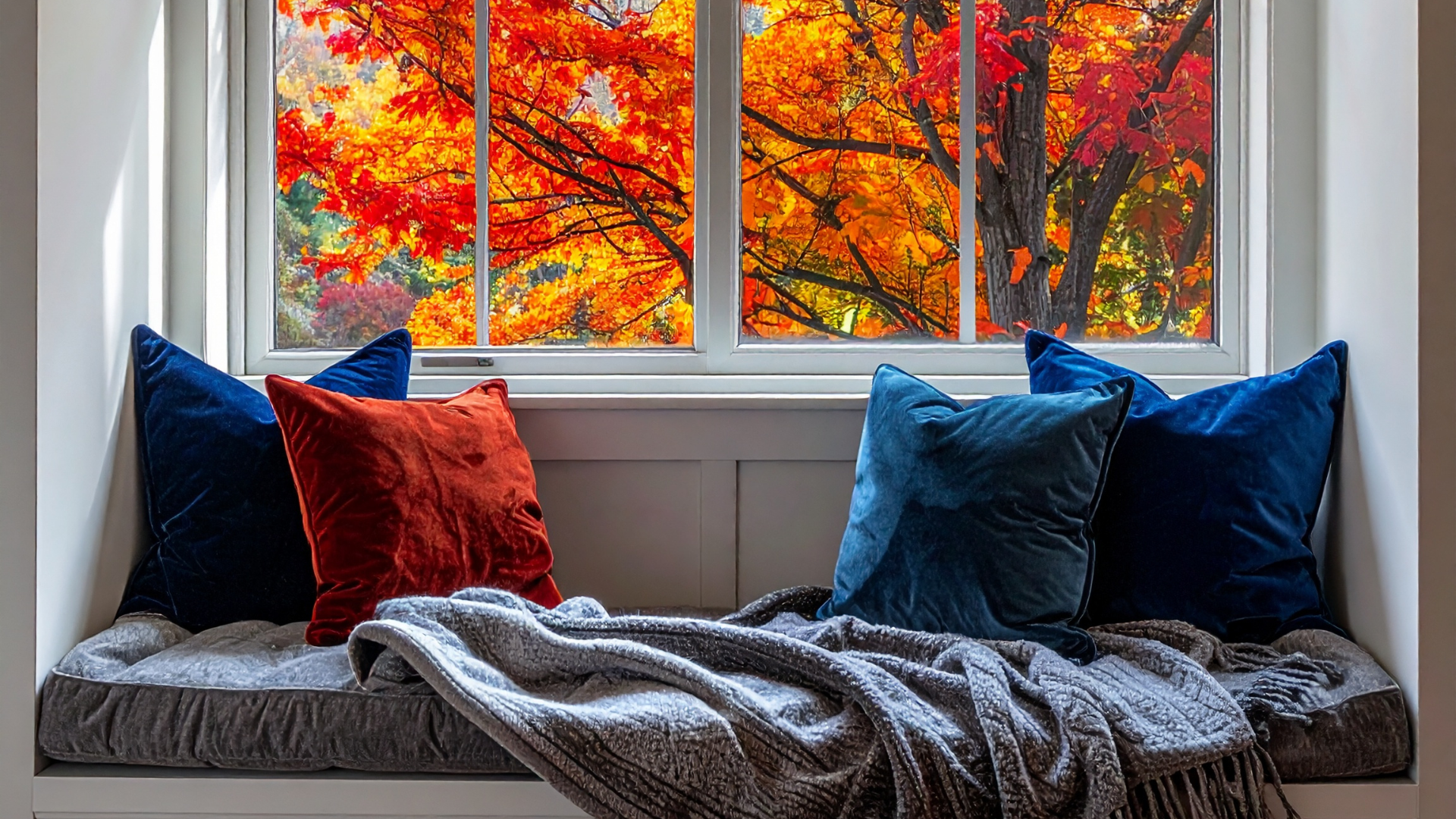
A home that stays warm, quiet, and comfortable when it's 5 degrees outside—one where the furnace isn't working overtime, the pipes aren't a worry, and you never lie awake wondering what that dripping sound is. That's what a winter-ready home feels like.
Yes, it's only October. That's exactly the point. Fall flies by in Minnesota, and the stretch of mild weather that makes winter prep easy is shorter than most of us expect. By the time the first snowfall hits, the best window is already closed.
But Minnesota winters don't give second chances. A small gap around a door turns into a draft you feel all season. A clogged gutter turns into an ice dam. A hose left connected to the outdoor faucet turns into a burst pipe. And if you're thinking about selling? A buyer's inspector will find the neglected stuff, and a cold, drafty showing leaves a lasting impression.
Here's the opportunity: right now, in early October, the weather is still on your side. Days are mild, ladders are safe, and caulk actually cures. A few focused hours this month can protect your home, lower your heating bills, and keep small issues from becoming expensive ones. You don't need a major project—just a smart, simple plan.
Your Simple Plan:
Windows & Doors - Seal the Gaps:
- Check weatherstripping around every exterior door and replace it if it's cracked, flattened, or missing
- Inspect caulk around window frames and trim—re-caulk anywhere you see gaps or cracks
- Do the "dollar bill test": close a door or window on a bill, and if it slides out easily, you're losing heat
- Install door sweeps on exterior doors where you can see daylight at the bottom
- Swap screens for storm windows, or add window film on older single-pane glass
- Hang heavier curtains on north-facing windows
Furnace & Heating - Don't Wait Until It's Cold:
- Schedule your furnace tune-up now, before HVAC companies get booked solid
- Replace the furnace filter (and set a reminder to check it monthly all winter)
- Test your thermostat—consider a programmable or smart one to cut wasted heat
- Clear furniture and clutter away from vents and registers
- Have your chimney and fireplace inspected and cleaned before the first fire
Attic & Insulation - Keep the Heat Where It Belongs:
- Look at your attic insulation—if you can see the joists, you likely need more
- Seal air leaks around attic hatches, recessed lights, and pipe or wire penetrations
- Make sure bath fans and dryer vents actually vent outside, not into the attic
- Check for signs of moisture, pests, or daylight where there shouldn't be any
- Insulate the attic hatch or pull-down stairs
Gutters & Exterior - Stop Ice Dams Before They Start:
- Clean out gutters and downspouts once the leaves have dropped
- Make sure downspouts direct water at least 4 to 6 feet away from the foundation
- Look over your roof for missing, curled, or damaged shingles
- Seal cracks in the driveway and walkways before freezing water widens them
- Trim branches that hang over the roof or near power lines
- Check the grading around your foundation so water flows away from the house
Plumbing - Protect Your Pipes:
- Disconnect garden hoses and shut off and drain outdoor faucets
- Insulate exposed pipes in the basement, crawl space, garage, and exterior walls
- Know where your main water shutoff is—and make sure everyone in the house does too
- Check under sinks and around the water heater for slow leaks
- Flush your water heater if it's due, and check the temperature setting
- Plan ahead for cold snaps: open cabinet doors under sinks on exterior walls and let faucets drip
Safety - The Part You Can't Skip:
- Test smoke and carbon monoxide detectors, and replace batteries
- Check the date on each detector—most should be replaced every 7 to 10 years
- Make sure you have a working fire extinguisher on each level
- Restock the winter emergency kit: flashlights, batteries, blankets, and a phone charger
- Stock up on ice melt and check that your snow shovel survived last year
Yard & Garage - Put the Summer Away:
- Store patio furniture, grills, and hoses before the snow flies
- Winterize the lawn mower and service the snowblower now, not during the first storm
- Drain fuel from small engines or add stabilizer
- Rake and bag leaves so they don't smother the lawn under the snow
- Move salt, shovels, and the snowblower to the front of the garage
Imagine the first big snowstorm of the season. The wind is howling, the temperature is plummeting, and you're inside with a warm house, a quiet furnace, and absolutely nothing to worry about. Your heating bills are lower. Your pipes are protected. Your gutters are clear. You made a few smart moves in October, and now you get to enjoy the payoff all winter long.
And if you're selling? Buyers walk through a home that feels warm and solid. Inspectors find a well-maintained property. Your listing stands out because it feels cared for—no red flags, no surprises, no reasons to negotiate your price down.
Ready to get your home winter-ready? If you're thinking about selling this fall or listing early next spring, let's walk through your home together. We'll identify what buyers and inspectors will notice most and help you prioritize the tasks that protect your value. Not selling yet? Use this checklist to protect the home you love—and keep your equity safe for when you do decide to make a move.