Published January 9, 2026
It's Radon Action Month—Here's Why Every Minnesota Home Should Test

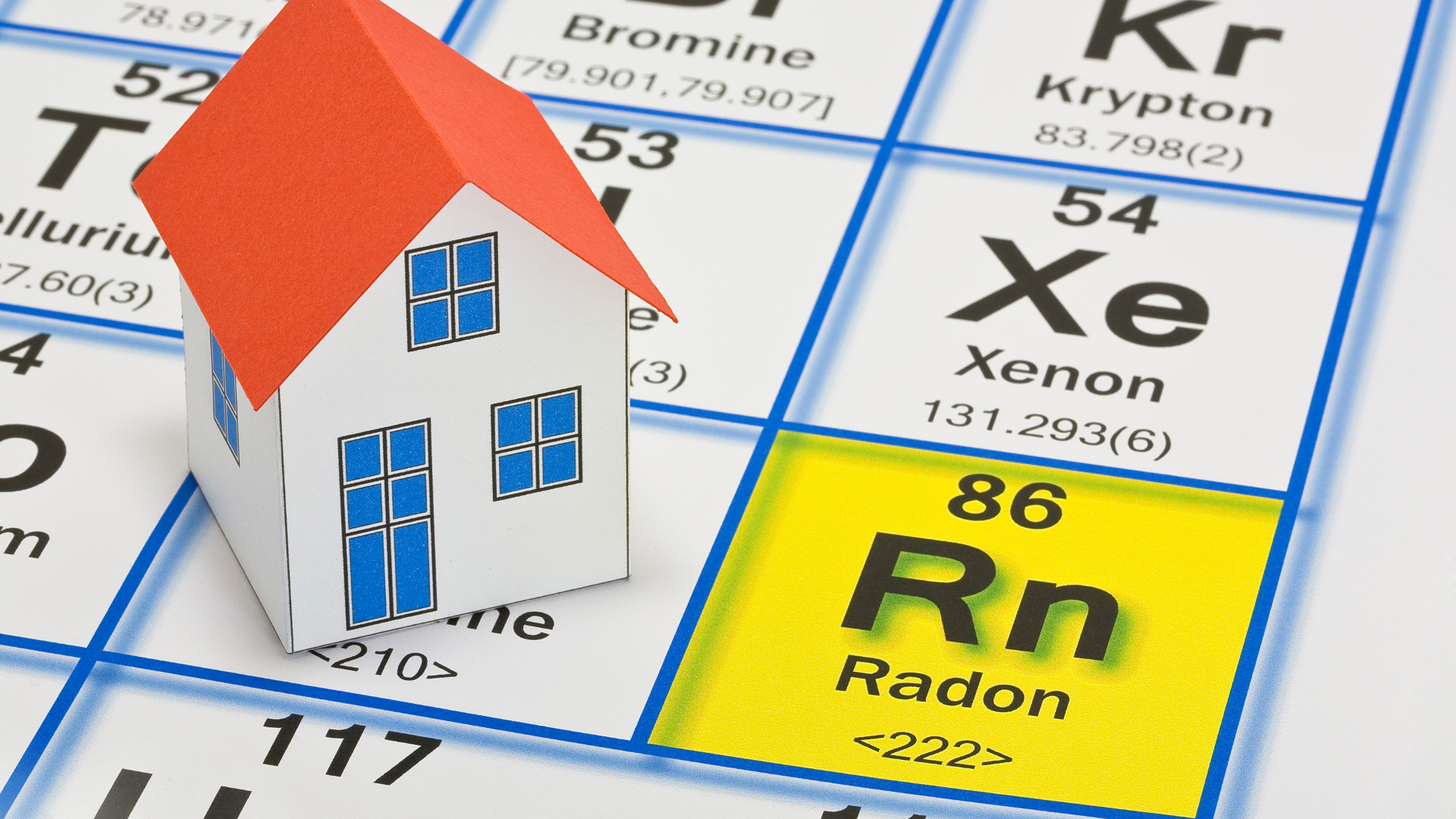
January is National Radon Action Month, and if you've never tested your home for radon, now is the time. Here's why this invisible, odorless gas deserves your attention—and why winter is actually the best time to test.
The Minnesota Reality: Two out of five homes in Minnesota have elevated radon levels. That's 40% of homes—far higher than the national average of just 7%. Radon doesn't discriminate by age, location, or home type. Brand new construction, century-old farmhouses, ramblers, and two-stories can all have dangerous radon levels.
What Is Radon, Anyway? Radon is a naturally occurring radioactive gas that comes from the breakdown of uranium in soil and rock. It seeps into homes through cracks in foundations, construction joints, gaps around pipes, and sump pits. Once inside, it accumulates to levels that can cause serious health problems.
The Health Risk: Radon is the second leading cause of lung cancer in the United States, responsible for about 21,000 deaths annually. It's the number one cause of lung cancer in non-smokers. If you smoke and have elevated radon levels, your risk is even higher. The good news? This risk is entirely preventable through testing and mitigation.
Why Test in Winter? Heating season is actually the ideal time to test for radon. When your furnace runs, it creates negative pressure in your home, pulling more radon up from the soil. Winter tests tend to show your home's worst-case scenario, giving you the most accurate picture of your risk.
How to Test: Testing is easy and inexpensive. You can pick up a short-term radon test kit for as little as $5-$13 from local hardware stores, county health departments (Several counties offer free kits!), or order online through the Minnesota Department of Health. The test takes just 3-5 days, and you'll get your results within a few weeks.
Place the test in the lowest level of your home that's regularly used—usually a basement family room or bedroom. Don't test in laundry rooms, bathrooms, or kitchens. Follow the instructions carefully, keep windows and doors closed as much as possible during the test, and send it to the lab.
What If My Levels Are High? If your test shows radon levels at 4 pCi/L or higher, the EPA and Minnesota Department of Health recommend installing a radon mitigation system. These systems typically cost $800-$2,500 (about the same as other common home repairs) and can reduce radon levels by up to 99%. A licensed radon mitigation professional can assess your home and install a system that vents radon safely outside.
Protect Your Investment and Your Family: Whether you're planning to sell soon or staying put for decades, testing for radon is one of the smartest things you can do. Buyers increasingly ask about radon during home inspections, and having documentation that your home has been tested (and mitigated if needed) adds value and peace of mind.
This January, make radon testing your home's New Year's resolution. It's a small step that could literally save your life.