Published January 15, 2025
January is Radon Action Month: What Homeowners and Real Estate Clients Need to Know

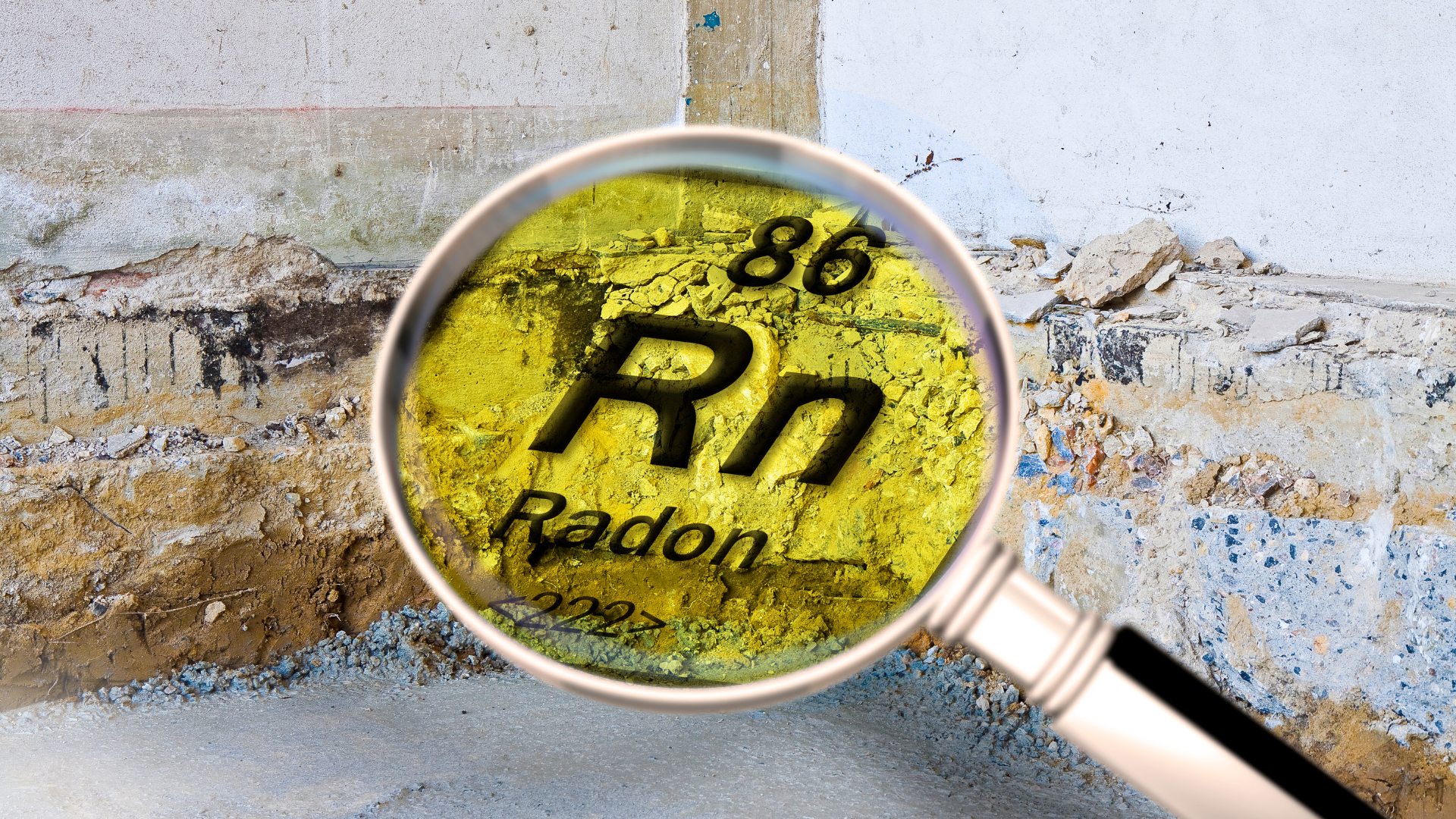
As we step into the new year, January brings more than just resolutions and fresh starts – it’s also Radon Action Month. For homeowners, homebuyers, and sellers alike, this is the perfect time to focus on the safety of your home. Radon, an invisible and odorless gas, could be lurking in your home and posing serious health risks. Here’s what you need to know and how to take action.
What is Radon?
Radon is a radioactive gas that forms naturally from the breakdown of uranium in soil, rock, and water. It enters homes through cracks in foundations, gaps around service pipes, and other openings. While radon is present in the air we breathe every day, prolonged exposure to high levels of radon in confined spaces, such as homes, can be hazardous.
Why is Radon Dangerous?
Radon is the number one cause of lung cancer among non-smokers in the United States, according to the Environmental Protection Agency (EPA). It’s estimated to cause about 21,000 lung cancer deaths each year. The risk is even higher for smokers who are exposed to radon. Because it is invisible, odorless, and tasteless, radon often goes undetected until it’s measured.
How to Check for Radon
The good news is that testing for radon is simple and affordable. Here’s how homeowners can check for radon:
Purchase a Radon Test Kit: Radon test kits are available at home improvement stores, online, or through local health departments. They are easy to use and typically include instructions for placement and sending the kit to a lab for analysis.
Hire a Professional: Certified radon professionals can conduct more detailed tests and provide accurate results. This option is particularly helpful if you’re in the process of buying or selling a home.
Follow EPA Guidelines: The EPA recommends testing on the lowest level of your home that is used regularly, such as a basement or ground floor. Tests should be conducted over several days to ensure accurate readings.
How to Mitigate Radon
If radon levels in your home exceed the EPA’s action level of 4 picocuries per liter (pCi/L), it’s essential to take steps to reduce it. Here are some effective mitigation strategies:
Install a Radon Mitigation System: These systems use a vent pipe and fan to draw radon from beneath the home and release it safely outside.
Seal Cracks and Openings: Sealing foundation cracks and other entry points can help reduce radon levels, although it’s not a standalone solution.
Increase Ventilation: Improving airflow in crawl spaces and basements can help lower radon levels by diluting the concentration of the gas.
Hire a Qualified Radon Mitigator: A professional can assess your home’s needs and recommend the most effective solution.
Why Radon Awareness Matters in Real Estate
For buyers, ensuring a home is safe from radon exposure should be part of the inspection process. Sellers can make their property more appealing by addressing radon concerns before listing it on the market. For real estate agents, being knowledgeable about radon testing and mitigation can build trust with clients and demonstrate your commitment to their well-being.
Take Action This January
Radon Action Month is the ideal time to prioritize your home’s safety. Whether you’re a homeowner, buyer, or seller, understanding radon risks and solutions is a crucial step in maintaining a healthy living environment. Take the first step by testing your home for radon and encourage others to do the same.
Remember, a safe home is a happy home. Don’t let radon go unchecked—take action today!