
Published June 9, 2023
The Importance of Interior Design: Creating Harmonious Spaces

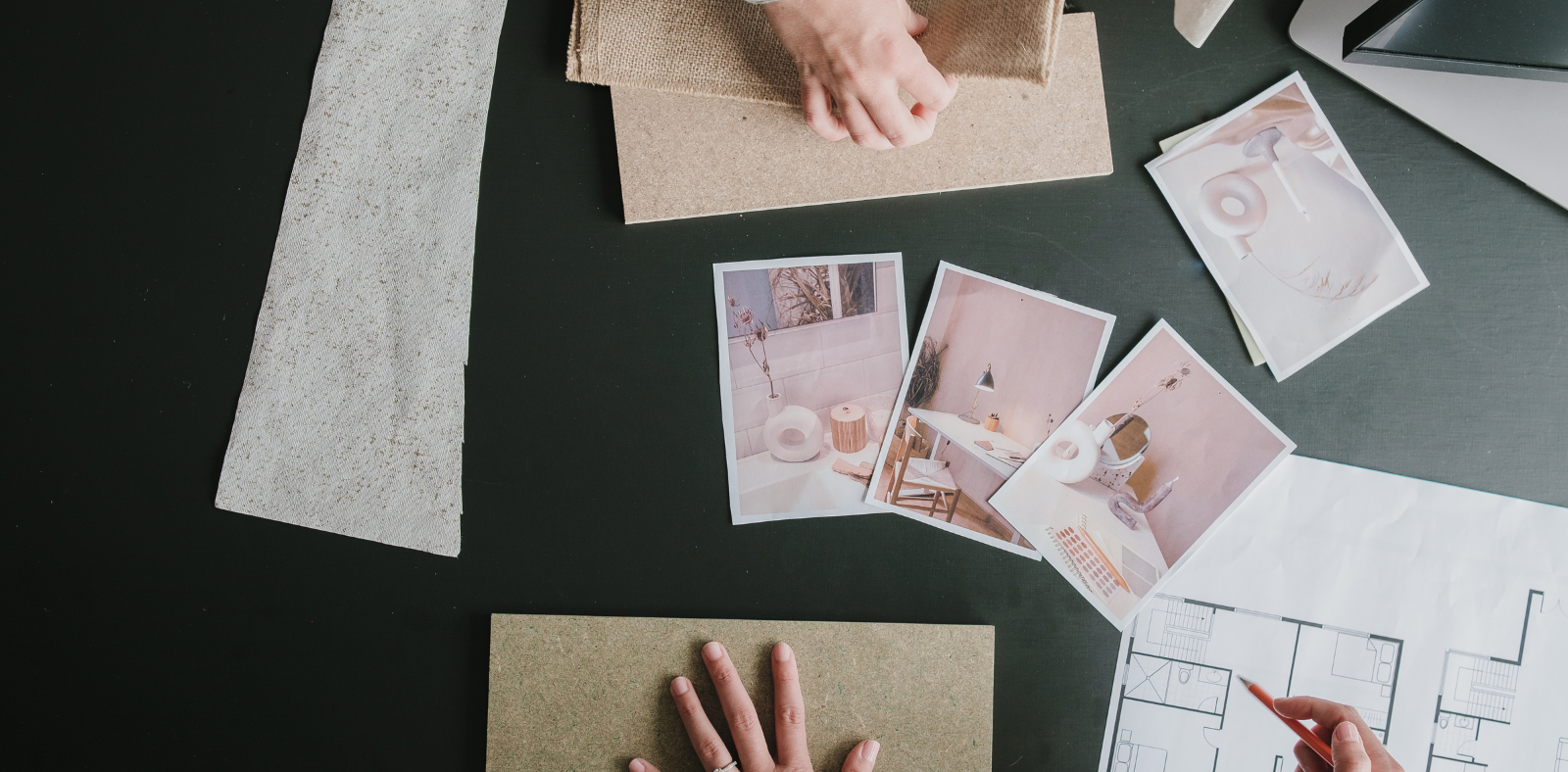
Interior design is a vital aspect of our lives that often goes unnoticed. It encompasses the art and science of enhancing the interior spaces we inhabit, transforming them into functional, aesthetically pleasing, and harmonious environments. Beyond mere decoration, interior design has a profound impact on our physical, emotional, and psychological well-being. From our homes to workplaces, retail stores to hospitality venues, interior design plays a significant role in shaping our experiences and improving the overall quality of our lives.
1. Enhancing Functionality and Efficiency
One of the primary objectives of interior design is to optimize the functionality and efficiency of a space. Professional interior designers carefully analyze the purpose and layout of a room, taking into account factors such as traffic flow, spatial organization, and furniture placement. By creating a well-designed layout, interior designers ensure that a space is utilized to its maximum potential, allowing for smooth movement and improved productivity.
2. Creating Aesthetically Pleasing Environments
The visual appeal of a space has a profound impact on our mood, emotions, and overall well-being. A well-designed interior combines elements such as colors, textures, lighting, and furnishings in a way that creates a harmonious and pleasing atmosphere. Whether it's a cozy living room, a serene bedroom, or an inspiring workspace, a thoughtfully designed interior has the power to uplift our spirits, reduce stress, and enhance our overall happiness.
3. Reflecting Personal Style and Identity
Interior design provides an avenue for self-expression, allowing individuals to showcase their unique personality and style. Whether you prefer a minimalist, contemporary, or eclectic aesthetic, interior design enables you to curate a space that reflects who you are. By incorporating elements such as artwork, personal mementos, or cherished possessions, you can infuse your surroundings with meaning and create a sense of belonging.
4. Promoting Health and Well-being
The impact of interior design extends beyond aesthetics. It can significantly influence our physical health and well-being. Considerations such as lighting, ventilation, acoustics, and ergonomics are vital in creating spaces that promote comfort and support our overall health. Natural light, for example, has been shown to enhance mood, improve productivity, and regulate our circadian rhythms. Interior designers also focus on creating spaces that are conducive to relaxation, reducing stress levels and fostering mental well-being.
5. Optimizing Use of Space and Resources
As our world becomes increasingly conscious of sustainability and efficient resource utilization, interior design plays a crucial role in optimizing the use of space and materials. Designers employ sustainable practices, such as using eco-friendly materials, maximizing natural light, and incorporating energy-efficient systems, to create environmentally responsible interiors. This approach not only reduces the impact on the planet but also contributes to long-term cost savings for individuals and businesses.
** Interested in remodeling or redesigning your interior? Contact us for referrals! **

Sara Anderson
REALTOR® | Cedar Haven Real Estate Group | Keller Williams Preferred Realty
or another way