Published June 12, 2026
Vacation Home Prep: What to Do Before You Leave

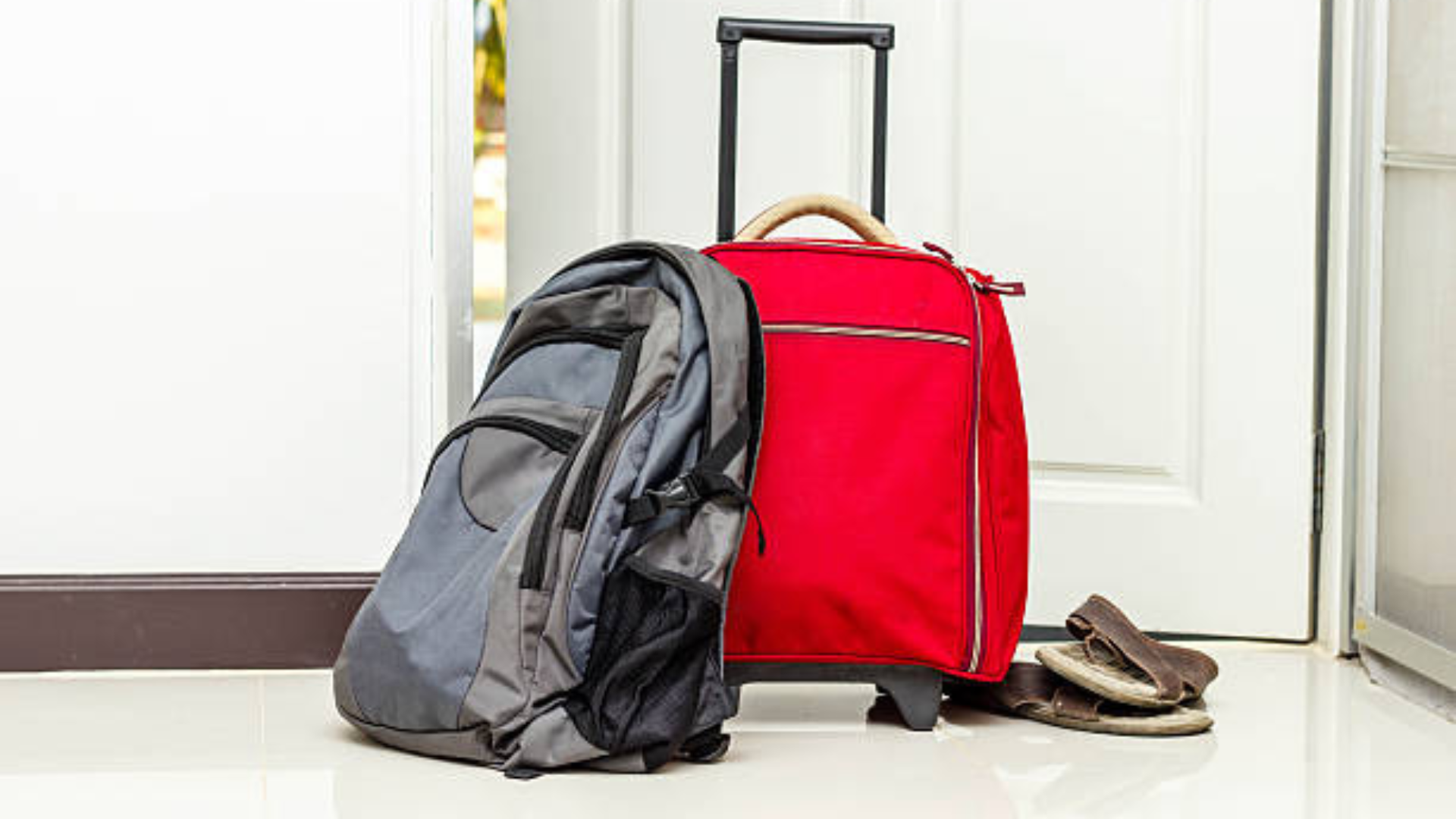
It's finally here. School is out, the bags are packed, and for the next ten days you are officially someone else's problem. Maybe you're heading up the North Shore to watch Lake Superior do its thing. Maybe it's a cabin on Gull Lake, a road trip out west, or a flight somewhere warm enough to remind you why you survived another Minnesota winter.
You deserve every minute of it. But before you back out of the driveway, your house deserves ten minutes of your attention—because nothing ruins the memory of a great vacation like coming home to a burst pipe, a flooded basement, a $400 electric bill, or the distinct smell of a refrigerator that lost power on day three.
Here's how to leave smart.
Security: Make It Look Like Someone's Home
An empty house for a week or two is an opportunity for the wrong kind of visitor, and Minnesota summers are busy enough that a dark, still house stands out fast in a neighborhood full of activity.
- Put two or three interior lights on timers—not the same light every night, and not all in the same room. Variety matters.
- Pause your mail and package deliveries or ask a neighbor to grab them daily. A pile of Amazon boxes on the front porch is a billboard.
- Don't post your vacation dates on social media until after you're home. It sounds paranoid until it isn't.
- Let a trusted neighbor know you're gone and give them your cell number. They're your best early warning system.
- Make sure all ground-floor windows are locked—not just closed. Sliding doors, too. Check the pin or security bar.
- If you have a smart doorbell or exterior cameras, confirm they're connected and you can check them remotely. A quick test before you leave saves headaches later.
Water: The One That Costs You
Water damage is the nightmare scenario for Minnesota homeowners, and summer vacation season brings its own set of risks—storms, humidity, and appliances that choose the worst possible moment to fail.
- Shut off the main water supply if you're gone more than a few days. This is the single most effective thing you can do to prevent a catastrophic water event while you're away. Your main shutoff is typically in the utility room near your water meter.
- If shutting off the main isn't practical, at minimum turn off the water supply lines to your washing machine—those hoses are a common failure point and the damage is severe.
- Check under sinks and around your water heater before you leave. If something looks like it's been slowly dripping, deal with it now rather than returning to a warped cabinet.
- If you have a sump pump—and most Minnesota basements do—test it before you go. Pour a bucket of water into the pit and confirm it kicks on and drains. Consider a battery backup if you don't already have one; summer storms don't care about your vacation schedule.
- Set your water heater to "vacation mode" if it has one. It maintains a lower temperature that prevents bacterial growth without heating a full tank of water for two weeks.
Climate & Energy: Keep the House Alive Without Running Up the Bill
The goal isn't to shut the house down entirely—it's to keep it stable without paying to cool or heat an empty home.
- Set your thermostat to 82–85°F if you're leaving in summer. Any higher and you risk humidity damage; any lower and you're paying to cool empty rooms. If you have a smart thermostat, you can monitor and adjust from the road.
- Don't turn the A/C completely off. Minnesota summers can push attic temperatures above 130°F, and prolonged heat and humidity inside the home can damage wood floors, cabinetry, and anything stored in closets.
- Unplug TVs, gaming systems, small kitchen appliances, and anything else that draws a phantom load when it's on standby. It adds up over ten days and eliminates the risk of an electrical issue while you're gone.
- Close blinds and curtains on south- and west-facing windows to reduce solar heat gain.
Kitchen & Food: Don't Come Home to a Science Experiment
- Use up or toss perishables before you leave. Anything in the produce drawer that won't make it two weeks goes now.
- Set your refrigerator to 37–38°F and your freezer to 0°F—the right temperatures to keep things safe without working harder than necessary.
- Run your dishwasher before you leave and leave the door slightly ajar when the cycle finishes. A closed dishwasher with damp interior air grows mold faster than you'd think.
- Empty the kitchen trash completely. Even a mostly-empty bag left for ten days in a warm house will greet you at the door.
- If you have a garbage disposal, run it with cold water and a handful of ice before you leave. Then pour a little baking soda and vinegar down the drain and let it sit.
Lawn & Outdoor: Keep the Curb Appeal
A jungle of a lawn after two weeks away is a clear signal that no one is home—and in a neighborhood full of well-maintained properties, it stands out.
- Mow right before you leave, not a week before. Freshly cut grass stays manageable longer.
- Set your irrigation system to run on its normal schedule, or ask a neighbor to water if you don't have one. Brown patches in July recover slowly.
- Store anything valuable from the deck or patio—furniture cushions, planters, grills with visible accessories—in the garage. Storms come up fast, and not everything that blows away comes back.
- If you have potted plants, either move them somewhere they'll get natural watering or arrange for someone to water them. Container plants don't survive two weeks in Minnesota summer heat on their own.
The Final Five-Minute Walk-Through
Before you pull out of the driveway, do a single pass through the house:
- Every exterior door locked?
- Garage door fully closed? (Yes, physically look at it.)
- Stove knobs all in the off position?
- All windows latched?
- Main water supply off or washing machine lines shut?
- Thermostat set?
- Timers on the lights?
- Trash taken out?
That's it. Five minutes and you'll spend the whole vacation actually relaxing instead of lying awake at 2am wondering if you left the garage door open.
Your home is your biggest investment. The people who protect it best aren't the ones who never leave—they're the ones who leave prepared. Enjoy every minute of your trip. Your house will be exactly as you left it when you get back.