Published April 24, 2026
What to Look for During Home Tours: A Buyer's Room-by-Room Guide

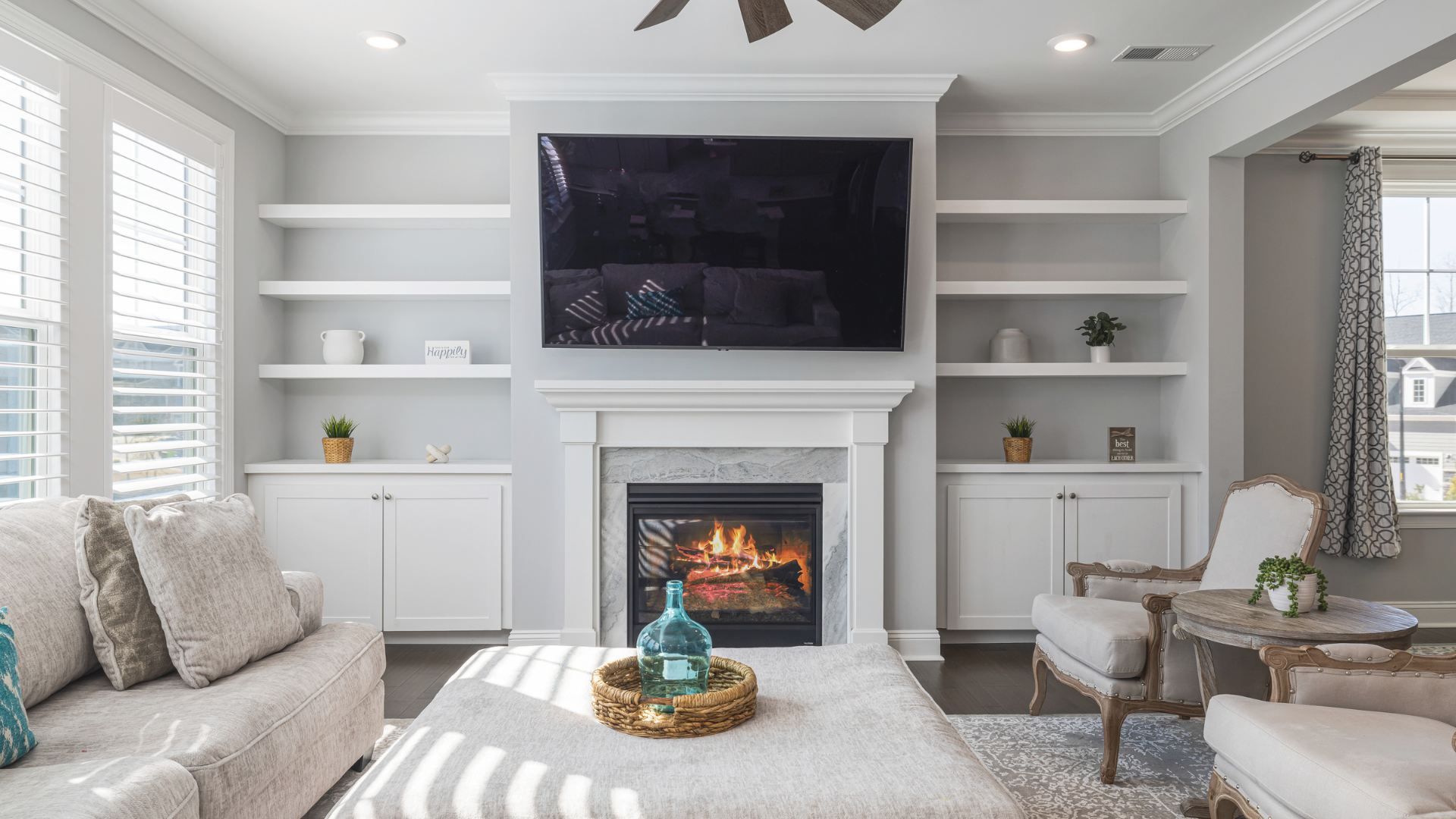
Spring showing season is here, and if you're touring homes right now, you already know the feeling: you walk in, the kitchen is beautiful, the backyard is perfect, and suddenly you're mentally arranging furniture. That's exciting. It's also the moment buyers get into trouble.
Because a home tour isn't just about falling in love—it's your best opportunity to gather real information before you make one of the largest financial decisions of your life. The goal isn't to find reasons to say no. It's to walk in with a clear head, know what you're looking at, and leave with a complete picture of what you're actually buying.
Here's what to look for, room by room.
Before You Go Inside - First Impressions That Matter:
- Look at the roofline from the street—does it sag anywhere or look uneven? That's a potential structural or framing issue
- Check the gutters: are they pulling away from the fascia, overflowing with debris, or visibly damaged?
- Look at the grading around the foundation—does the ground slope away from the house? If it slopes toward it, water is running toward the foundation
- Note the condition of the driveway, sidewalk, and any retaining walls—these are expensive to replace
- Open and close the front door—does it stick? Difficulty operating exterior doors can signal foundation settlement or moisture issues
The Basement - The Most Important Room in the House:
- Look for water stains on walls and floors—white mineral deposits (efflorescence) are a sign of past moisture intrusion
- Check the floor drain: is it working and free of debris?
- Look at any exposed wood framing: any soft spots, discoloration, or visible mold?
- Ask how old the furnace and water heater are—furnaces typically last 15–20 years, water heaters 10–12
- Locate the electrical panel: is it a modern breaker panel, or does it have fuses? Note the brand—certain older brands have known safety issues worth discussing with your inspector
- Look at the foundation walls: hairline cracks are usually normal settling; horizontal cracks or large diagonal cracks are red flags
Kitchen - Beyond the Countertops:
- Turn on the faucet and check water pressure and how quickly hot water arrives
- Open cabinet doors under the sink and look for water damage, staining, or soft wood
- Look at the backsplash where it meets the countertop: gaps or missing caulk can let moisture in over time
- Turn on the range hood and check that it vents properly
Bathrooms - Details That Tell a Story:
- Flush the toilet and watch: does it run, run slowly, or gurgle? Gurgling can indicate a venting issue
- Check water pressure in the shower—low pressure in a single bathroom can indicate a supply line issue
- Look at the caulk and grout around the tub and shower: cracked or missing caulk is an entry point for water damage behind the wall
- Gently press on the wall or floor around the tub—soft or spongy spots indicate moisture damage underneath
- Look under vanity sinks for the same signs you checked in the kitchen
Living Areas & Bedrooms - What Most Buyers Overlook:
- Look up: water stains on ceilings indicate a current or past roof or plumbing leak—always ask about them
- Check windows: do they open and close smoothly? Are they single-pane (older, less efficient) or double/triple-pane? Look for condensation between panes, which means the seal has failed
- Look at the floors: do they feel bouncy or uneven underfoot? This can signal subfloor issues or inadequate support
- Notice the smell: musty odors often mean moisture or mold somewhere in the home; a heavy air freshener on a warm day can sometimes be masking odor
- Check closet sizes—do they actually fit your lifestyle? You can't add square footage, but you can sometimes add storage systems
The Garage:
- Test the garage door opener and make sure the auto-reverse safety feature works
- Look at the floor for oil stains (normal for older garages) and water stains (potential drainage issue)
- Check if the garage is insulated and drywalled—particularly important if it's attached and shares a wall with living space
- Look at the ceiling if there's living space above—any staining or soft spots?
Heating, Cooling & Electrical - Ask Directly:
- Ask the age of the HVAC system and when it was last serviced—a furnace over 15 years old may need replacement within your ownership window
- Check whether the home has central air or window units—relevant for comfort and future cost
- Ask about the type of heat: gas forced air, electric, radiant, or other
- If there's a fireplace, ask when it was last inspected and if it's functional
- Make note of the number of electrical outlets in each room—older homes sometimes have limited circuits that don't accommodate modern usage
What to Bring on Every Tour:
- Your phone, fully charged—take notes and photos of anything that stands out
- A flashlight for basements, attics, and dark corners
- A list of your must-haves and deal-breakers so you're evaluating, not just admiring
- Your agent (that's us)—we'll flag things you might not know to look for
No home is perfect. Every home has something. The goal of a home tour is to understand what you're buying, not to find a flawless property that doesn't exist. A home with a 15-year-old furnace isn't disqualified—it just means you factor that into your offer or your financial planning. A ceiling stain isn't automatically a disaster—it might be a repaired, one-time leak. Context matters, and that's what a good inspection and a good agent help you get.
Touring homes this spring? We'll be with you every step of the way—pointing out what to look for and helping you ask the right questions so you walk away from every showing with real information, not just impressions.